Our Story
Three generations of master weavers, one valley, one thread — from the high-altitude pastures of Changthang to the looms of Kathmandu.
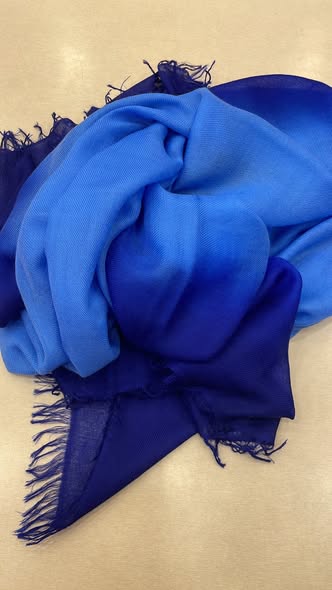
From the plateau to the loom
Every piece begins on the Changthang plateau, where nomadic herders tend flocks of Changthangi goats at 4,500 metres. The underdown — the softest cashmere known to the craft — is combed by hand each spring, a single goat yielding barely 100 grams.
This raw fibre travels south to the Kathmandu Valley, where it is sorted, washed, and hand-spun using techniques passed down through generations. No machines touch the thread. No shortcuts are taken.
At the loom, a single shawl takes a master weaver between seven and fourteen days to complete, depending on the weave and finish.
Hand, not machine
Every stage of production honours the slow rhythm of traditional textile craft.
Spinning
The raw cashmere is hand-spun on the traditional Nepali spindle — a slow, meditative process that preserves the fibre’s natural crimp and loft.
Dyeing
Mineral pigments and plant-based dyes sourced from the Annapurna foothills. No synthetics. The colours are the colours of the earth.
Weaving
On the handloom, each weft thread is passed by hand. The rhythmic clatter of the batten is the heartbeat of the workshop.
Three generations
The family behind New Monalisa Pashmina has worked the warp and weft since 1962. What began as a single wooden loom in a village on the edge of the valley is now a workshop of fifteen master weavers, each trained from apprenticeship.
Every piece you receive carries the name and initials of the weaver who made it. We believe the person behind the cloth matters as much as the cloth itself.
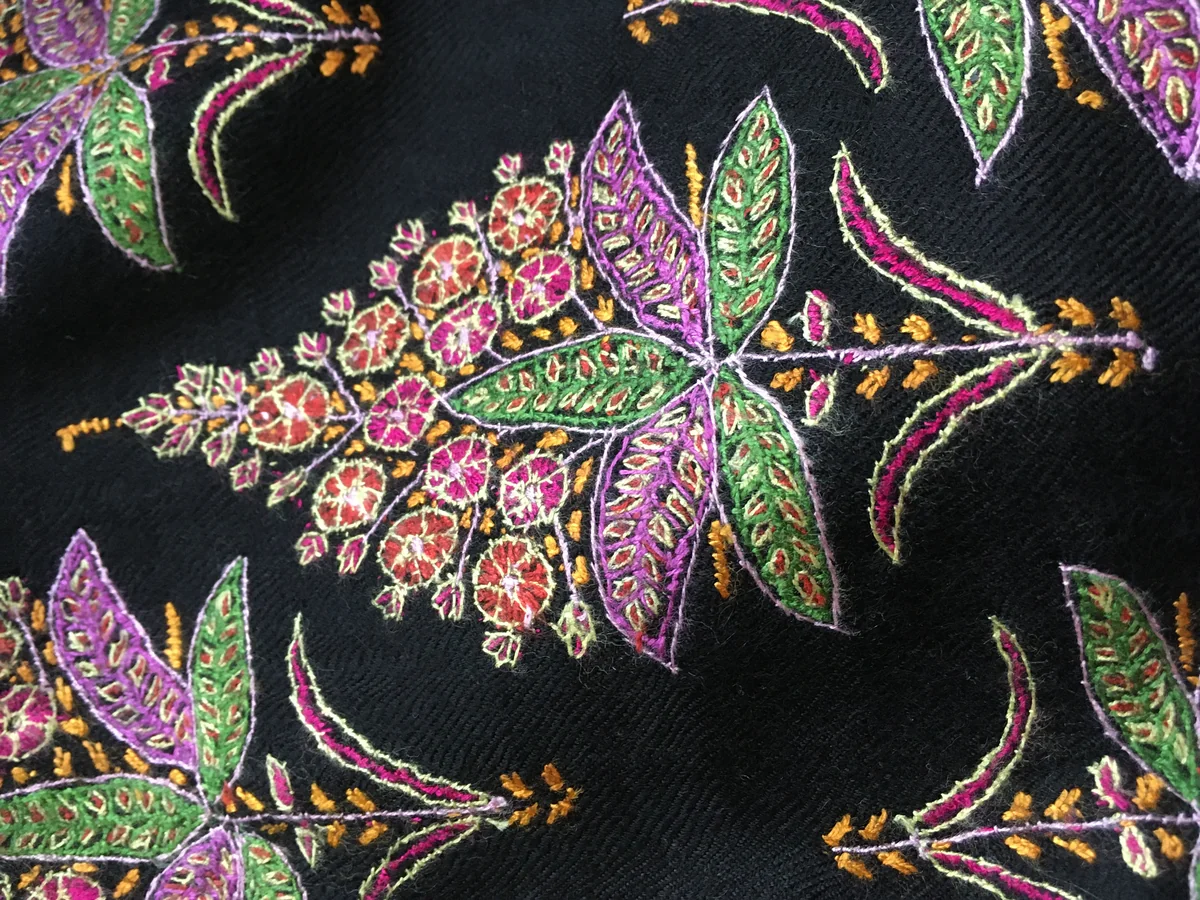
Slow fashion, made to last
Ethical
Direct trade with herder communities. Fair wages. No middlemen.
Natural
Undyed, naturally dyed, or mineral pigment. Never synthetic.
Heritage
Techniques preserved over sixty years and three generations of weavers.